What Happens After You Get a CAS Letter — Complete Guide
You’ve done it — you’ve finally got your CAS letter! That golden ticket (well, digital one) means your chosen UK university officially wants you. But before you pack your bags and start dreaming about tea breaks and rainy mornings, there’s a little more to do. The Confirmation of Acceptance for Studies (CAS) letter isn’t just a formality — it’s the key that unlocks your UK Student Visa application.
So, what happens next? Let’s walk you through it.
1. Double-Check That CAS Like Your Life Depends On It
Alright, before you rush to apply for your visa, check every single detail on your CAS statement. Think of it as proofreading your future — one typo here could mean a visa delay or rejection.
Here’s what to look out for:
- Personal Details: Your name, date of birth, and passport number must match your passport exactly.
- Financial Data: Make sure the tuition fees paid, outstanding balance, and any scholarships are correctly listed. UKVI will cross-check this when reviewing your funds.
- Validity Period: Your CAS is valid for six months from the date it’s issued — don’t let that clock run out.
If anything looks even slightly off, email your university’s admissions office immediately. They can issue a corrected CAS — and trust us, it’s better to fix it now than argue with a visa officer later.
2. Gather Your Evidence Like a Pro
Your CAS is the headliner, but it doesn’t travel alone. The supporting documents are what make your application solid.
Financial Evidence (Maintenance Funds):
You need to show proof that you can afford both your tuition (as listed on your CAS) and your living expenses. The UK has strict maintenance requirements — more if you’re studying in London, a bit less elsewhere.
- You must hold this money in your account for at least 28 consecutive days, ending no more than 31 days before your visa application date.
- Miss that rule, and your application could be rejected faster than you can say “overdraft.”
Other Must-Haves:
- Valid passport (obviously).
- Academic documents listed on your CAS — certificates, transcripts, etc.
- Proof of English proficiency (IELTS or equivalent).
- Tuberculosis (TB) test certificate if required by your country.
3. Time to Apply for Your UK Student Visa
Once your documents are ready and your bank account has done its 28-day marathon, it’s go-time. Head to the official UK Government visa portal to start your application.
You’ll need your CAS number to link your application with your university’s offer. Then, you’ll pay two important fees:
- Visa Application Fee – the cost of applying for your student visa.
- Immigration Health Surcharge (IHS) – gives you access to the UK’s National Health Service (NHS) during your studies.
After payment, you’ll get a confirmation email and be prompted to book your biometrics appointment.
4. The Biometrics Appointment — A Quick but Crucial Step
Next, you’ll visit a Visa Application Centre (VAC). It’s not scary — think of it as a glorified ID check.
You’ll give your fingerprints and photograph, then upload or hand in all your supporting documents. Once that’s done, the waiting game begins.
5. Visa Decision and Entry into the UK
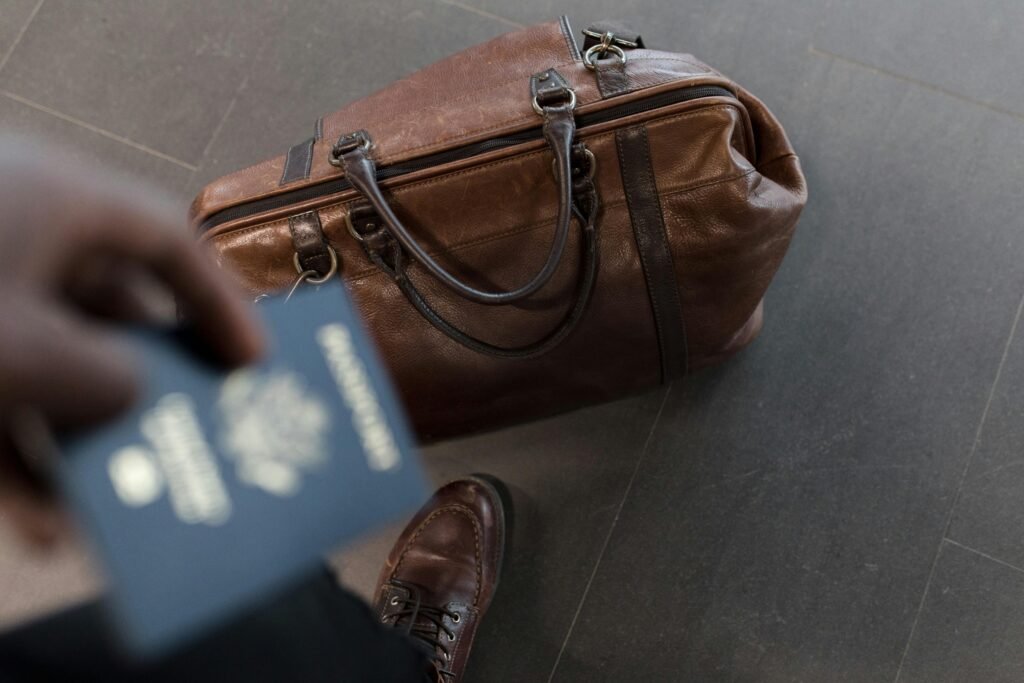
If your application is successful (which it will be, if you’ve followed everything above), your passport comes back with a small sticker called a vignette.
- This vignette is valid for 90 days — it’s your travel visa, allowing you to enter the UK.
- Your course start date must fall within that 90-day window.
6. Welcome to the Future: The Digital eVisa
Forget the old Biometric Residence Permit (BRP) cards — they’re gone. The UK is going digital.
- Your visa status now lives online as an eVisa, linked directly to your passport.
- You’ll access it via your UK Visas and Immigration (UKVI) account.
- Once in the UK, you can generate a “share code” to prove your right to study, work, or rent.
It’s all digital now — which means fewer lost cards and more convenience. Just make sure to get comfortable using the UKVI online system.
FAQs About CAS Letters and UK Visas
1. How long does it take to get a UK Student Visa after receiving a CAS letter?
Most students get their visa decision within 3 to 6 weeks, but it can vary by country and season. If you’re in a rush, you can sometimes pay for a priority service.
2. Can I apply for my visa without a CAS letter?
Nope — your CAS is the glue that holds your visa application together. Without it, your application won’t even start.
3. What if my CAS details are wrong?
Contact your university immediately. They can cancel and reissue your CAS. Never apply with incorrect information — it’s one of the top reasons for visa refusals.
4. What if I change my course or university after getting a CAS?
You’ll need a new CAS from your new university. The old one becomes invalid, so don’t apply with it.
5. Can I travel to the UK before my vignette start date?
No, the border officers will turn you right back around. Your travel window starts on the vignette date and lasts for 90 days.
Final Thoughts
Getting your CAS letter is a big milestone, but it’s only half the journey. Think of it as getting your Hogwarts letter — magical, yes, but you still need to find Platform 9¾.
With your CAS in hand and your documents ready, your UK dream is one visa approval away. So take a deep breath, get your paperwork right, and start planning your next adventure — from your visa appointment to your first rainy lecture day in Britain.
If you’re curious about how global visa policies might impact international students, read this update on new U.S. visa rules and see how things compare.
For official visa guidance, visit the UK government’s Student Visa page.
Check out: 18-Month Countdown: UK Graduates Race Against the New Visa Rules