Everything You Need to Know About Studying in Scotland
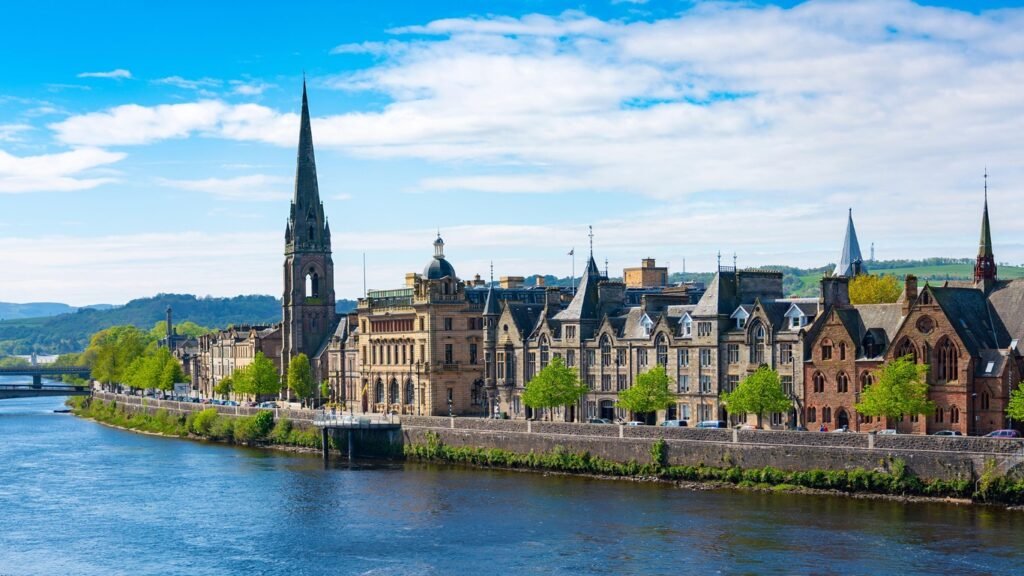
Studying in Scotland means getting a world-class education in a system that works a little differently from the rest of the UK. From flexible degree structures to strong post-study work options, Scotland offers clear advantages for both UK and international students.
In this guide, we’ll walk through how the Scottish education system works, how to apply, what it costs, and why so many students choose Scotland for their studies.
How Scottish Degrees Work
The Scottish system is a bit different from the rest of the UK, especially when it comes to undergraduate degrees.
Higher Education Structure
| Level | Typical Duration | What Makes It Special |
|---|---|---|
| Undergraduate Degree | 4 years | The first two years are broad, letting you explore multiple subjects before specialising in years 3 and 4 (Honours). Flexibility for the win! |
| Postgraduate Taught (MSc/MA) | 1 year | Master’s degrees are intensive and fast-paced—finish in a single year and get ahead. |
| Postgraduate Research (PhD) | 3–4 years | Dive into independent research and produce a thesis that makes your name. |
| Colleges (HNC/HND) | 1–2 years | Vocational qualifications focused on skills. HND students can often jump into year 2 or 3 of a degree. |
Key difference: Most Scottish undergraduates spend four years in a flexible program—ancient universities like St. Andrews, Glasgow, Edinburgh, and Aberdeen really do things their own way.
Qualifications & Entry Requirements
Scotland uses the Scottish Credit and Qualifications Framework (SCQF) to standardise degrees.
- UK Students: Entry usually depends on Highers and Advanced Highers, with three Highers typically required.
- International Students: Your local qualifications are assessed for equivalence (A-Levels, IB, US High School + AP/SAT/ACT, etc.).
- English Language: You’ll likely need IELTS Academic, TOEFL iBT, or Cambridge C1/C2 scores.
Applying to Scottish Universities
Undergraduate Applications
- How: Apply through UCAS.
- Choices: Up to five courses/universities at once. Universities don’t see your other choices until decisions are made.
- What You Need: Academic history, predicted/actual grades, personal statement, and a teacher reference.
- Deadlines: Usually January, but early deadlines (October 15) apply for Medicine, Dentistry, and Vet courses.
Postgraduate Applications
- How: Apply directly to your university.
- What You Need: Undergraduate degree, CV, academic transcripts, personal statement or research proposal, references.
Costs of Studying & Living
Tuition Fees
- Scottish Students: Funded by SAAS—tuition is free.
- Rest of UK Students: Fees apply, currently capped.
- International Students: Pay international fees.
- Undergraduate: £11,400–£38,000+ per year
- Postgraduate: £9,000–£30,000+ per year
Check your course page for exact amounts.
Living Costs
Living costs vary by city (Edinburgh and Glasgow are pricier). Budget estimates per month:
- Accommodation: £600–£1,500
- Food & Groceries: £190–£400
- Utilities/Bills: £80–£210
- Travel: £50–£135
- Other (Social/Health): £300+
- Total: £1,000–£2,500+
Universities often suggest £1,100–£1,700 for major cities.
Scholarships & Funding
- University-Specific: Merit-based and country-specific awards, e.g., World Changers Glasgow Scholarships.
- Government/External:
- Chevening Scholarships – fully funded Master’s for future leaders.
- Commonwealth Scholarships – for students from Commonwealth countries.
- GREAT Scholarships – for students from selected countries.
Visas & Post-Study Work Options
Student Visa
- Needed for courses over six months.
- Your university issues a CAS after you accept an unconditional offer.
- Show you can cover tuition and living costs.
- Pay the Immigration Health Surcharge (IHS) upfront for NHS access.
Graduate Route
- Work in the UK after studying:
- 2 years for undergraduate or Master’s degrees
- 3 years for PhDs
Why Scotland?
- Academic Excellence: Home to some of the oldest, most prestigious universities—Edinburgh, Glasgow, and St Andrews rank in the global top 100.
- Broad-Based Study: The four-year undergraduate structure gives you flexibility and a strong foundation.
- Employability: Universities focus on career readiness; graduates are highly employable.
- Culture & Scenery: Stunning cities, dramatic highlands, historic landmarks, and a vibrant cultural scene.
Studying in Scotland gives you world-class education, memorable experiences, and a beautiful backdrop for your student years.
FAQs
1. How long is a typical undergraduate degree in Scotland?
Most Scottish undergraduate degrees are four years, with the first two years broad and flexible before specialising.
2. Do international students pay the same tuition as Scottish students?
No. International students pay international tuition fees, which are higher than those for Scottish students, who are often funded by SAAS.
3. Can I work while studying in Scotland?
Yes! Student visas allow you to work part-time (usually up to 20 hours per week during term time) and full-time during holidays.
4. What funding options exist for international Master’s students?
Many universities offer merit-based scholarships, and external funding options include Chevening, Commonwealth, and GREAT Scholarships.
Check out: Documents You Need to Apply for UK Admission