Moving to the UK? 7 Culture Shocks That Will Surprise You — and How to Adapt
Moving to the UK is one of the most exciting life changes you can make. The country is rich in history, full of opportunities, and known for its world-class education system. But once you arrive, you may notice that life in Britain can feel quite different from what you’re used to.
From unspoken social rules to quirky habits, here are seven culture shocks that often surprise newcomers — and practical tips on how to adapt smoothly.
1. Politeness Is Practically a Way of Life
In the UK, politeness isn’t optional — it’s a social norm. You’ll hear “sorry,” “please,” and “thank you” everywhere. People even apologize when you bump into them.
How to adapt:
Don’t stress about getting it perfect. Simply say “thank you,” hold doors for others, and smile — small gestures go a long way.
2. Everyone Talks About the Weather
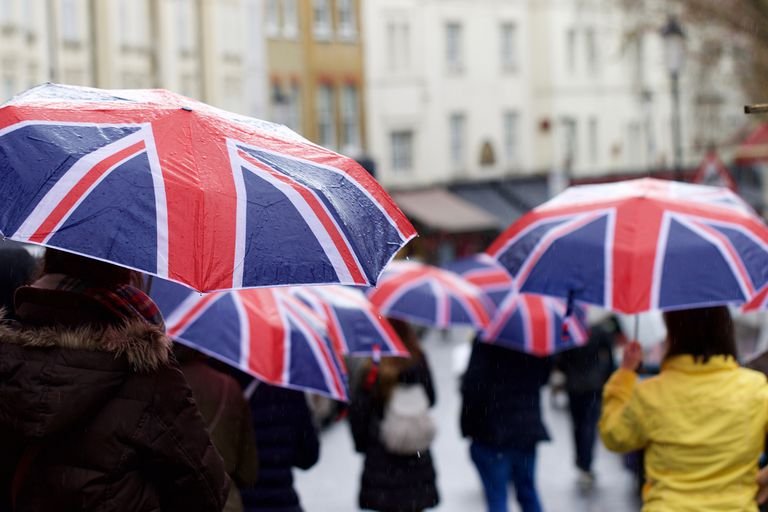
If there’s one topic that never gets old in the UK, it’s the weather. Whether it’s sunny for five minutes or raining for hours, Brits love to comment on it. It’s an easy and polite way to start a conversation.
How to adapt:
Join in the weather talk — it’s a friendly icebreaker and helps you blend in faster.
3. Queuing (Lining Up) Is Sacred
Brits take queuing very seriously. Cutting the line is considered extremely rude, whether you’re at a bus stop, a store, or a café.
How to adapt:
Always stand in line patiently and wait your turn. A simple “thanks” when served shows good manners.
4. The British Sense of Humour Is Unique
Humour in the UK is often dry, witty, and full of sarcasm. It’s not always easy to tell when someone is joking, especially if you’re new.
How to adapt:
Listen carefully to tone and facial expressions. Once you get used to it, you’ll find British humour incredibly clever.
5. Food Portions Are Smaller
If you come from a country where meal sizes are large, you’ll notice that portions in the UK are smaller. Drinks, snacks, and even fast food meals are served in more moderate amounts.
How to adapt:
Take it as a good thing — smaller portions mean healthier eating and less food waste. Plus, meal deals at supermarkets like Tesco or Boots are perfect for students on a budget.
6. Public Transport Has Its Own Etiquette
You’ll find that trains and buses in the UK are unusually quiet. Loud conversations, music, or phone calls are frowned upon. Also, when using escalators, always stand on the right and leave the left side clear for those in a hurry.
How to adapt:
Respect personal space and stay mindful of noise levels. It’s one of the quickest ways to fit in.
7. The Cost of Living Can Be a Shock
The UK can be expensive — especially cities like London, Oxford, or Edinburgh. Rent, transportation, and even groceries can quickly add up if you’re not careful.
How to adapt:
Plan your finances early. Look for affordable accommodation, use student rail cards, and make the most of local deals. You can also explore Exclusive Student Discounts That Stretch Your Budget in the UK to save more every month.
Adjusting to Life in the UK
Culture shock is completely normal. The UK is a diverse and welcoming place, and most newcomers adjust quickly once they understand local customs. Be open-minded, learn as you go, and don’t be afraid to ask questions.
Remember — adapting isn’t about changing who you are; it’s about embracing new experiences while staying true to yourself.
Frequently Asked Questions (FAQs)
1. Is it easy to make friends in the UK?
Yes, though people may seem reserved at first. Joining clubs, volunteering, or attending social events helps you connect faster.
2. Do I need to tip in restaurants?
Usually, a 10–12% service charge is already added to the bill. If not, leaving a small tip is appreciated but not mandatory.
3. How does healthcare work for international students?
If you’re on a student visa, you’ll pay a health surcharge that gives you access to the NHS (National Health Service).
4. Is the UK multicultural?
Absolutely. Cities like London, Birmingham, and Manchester are some of the most diverse in the world.
5. What’s the best way to adjust quickly?
Stay curious. Try local foods, visit museums, and get involved in community life — you’ll feel at home faster than you think.
Check out : Mistakes International Students Make When Applying to UK Schools