No Degree, No Influence: China’s New Rule Redefines Online Expertise
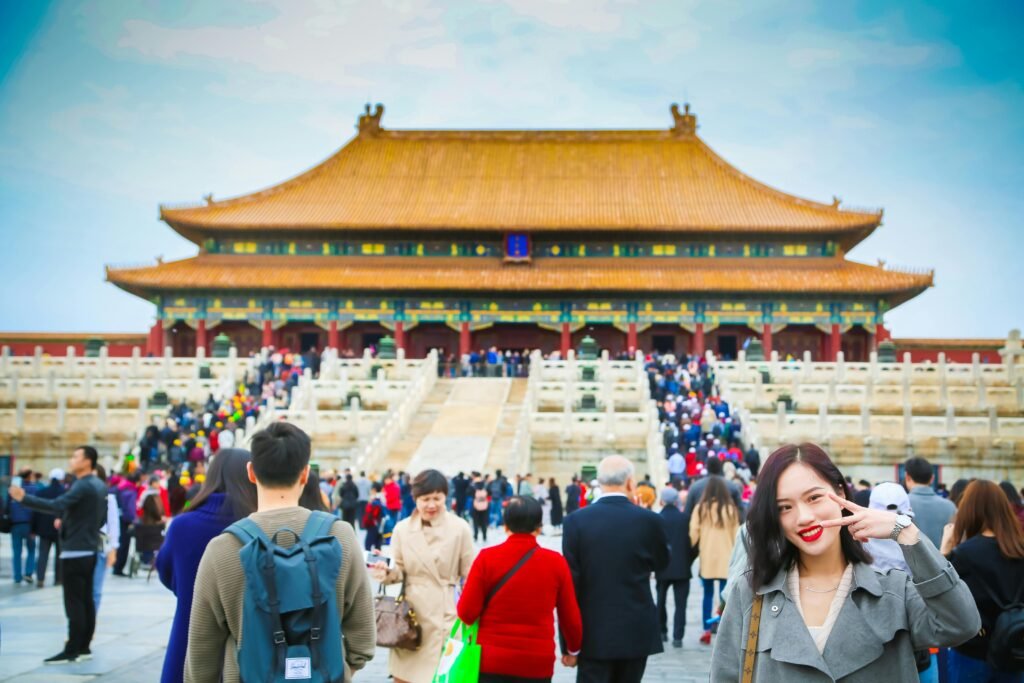
In a move that’s sparking global debate, China has announced new regulations requiring online influencers in professional fields—such as law, finance, medicine, and education—to hold formal academic degree or qualification before they can post related content.
The decision marks a significant shift in how expertise and credibility are defined in the digital age. While the rule is intended to curb misinformation, it also raises questions about who gets to be heard—and who doesn’t.
What the New Rule Actually Says
According to China’s National Radio and Television Administration (NRTA), content creators discussing professional subjects must now prove their academic credentials before publishing or livestreaming.
For example, a medical influencer must hold a verified degree in medicine, while a finance vlogger will need formal certification in economics or accounting. Platforms are required to review and verify these qualifications, with penalties for those who post without authorization.
This rule fits into China’s broader effort to regulate digital content and ensure that online advice—especially in sensitive or technical areas—comes from verified professionals.
Why China Equates Degrees with Credibility
For Chinese authorities, the reasoning is simple: formal education equals trustworthiness.
In a country where social media influences millions of daily decisions—from health habits to investment choices—ensuring the accuracy of expert information is seen as a matter of public safety.
By tying credibility to formal education, regulators aim to restore trust in online information and prevent unqualified individuals from misleading audiences.
However, this approach also reveals a deeper cultural belief: academic credentials are the ultimate proof of authority.
The Pros: Limiting Misinformation and Raising Standards
Supporters argue the new rule could help combat a rising wave of online misinformation.
Over the past few years, unverified “experts” have gained massive followings by offering medical or financial advice—sometimes with serious real-world consequences.
By enforcing educational requirements, platforms may finally filter out unreliable voices, improving the overall quality of online discourse.
It could also protect consumers from scams, fake treatments, and poor investment decisions driven by viral yet inaccurate posts.
In short, China sees this as a way to clean up the digital marketplace of ideas—turning it into a space where facts matter more than followers.
The Cons: Silencing Experienced Voices Without Degrees
Critics, however, warn that the rule could unintentionally silence knowledgeable voices who lack formal education but have years of real-world experience.
For instance, a retired entrepreneur, a self-taught investor, or a grassroots teacher without a university degree might now be barred from sharing their insights.
This could narrow the diversity of perspectives online and reinforce class-based barriers—where only those with elite academic credentials get to speak with authority.
Moreover, it raises philosophical questions:
- Does a degree automatically make someone an expert?
- And should digital influence depend on institutional recognition rather than demonstrated skill?
These are the debates now unfolding across China’s social media landscape—and beyond.
What This Could Mean for Other Countries
China’s approach might soon inspire similar policies elsewhere.
As governments around the world struggle to regulate misinformation—especially in health, education, and finance—credential-based verification could become a new global trend.
Some Western countries already require professional licensing for medical or legal influencers, but enforcement remains weak. China’s rule, if effective, may push others to adopt stricter models linking expertise to verified education.
Yet, the balance will be delicate. Policymakers must find ways to promote accuracy without stifling grassroots knowledge or innovation in the creator economy.
Final Thought
China’s “No Degree, No Influence” rule highlights a growing tension between education and experience, authority and accessibility.
In trying to protect the public from misinformation, the country might also reshape what it means to be an expert in the digital age—where influence, credibility, and opportunity are increasingly defined by who holds the paper, not who holds the truth.
For a deeper look into China’s influencer and media regulations, visit Daily Express’ report on the new content verification rules.
FAQs
1. What exactly does China’s new influencer rule require?
It mandates that influencers posting about professional subjects—such as law, finance, medicine, or education—must hold and verify academic qualifications before publishing content.
2. Why did China introduce this rule?
The rule aims to reduce misinformation and ensure online advice comes from verified experts with formal education.
3. Who could be affected?
Influencers, vloggers, and livestreamers without degrees in their niche fields may lose the ability to post professionally related content.
4. Could other countries adopt similar policies?
Possibly. Nations facing misinformation crises, especially in health or finance, may consider degree-based verification for influencers.
5. Does this mean experience doesn’t count anymore?
Not necessarily—but in China’s regulated digital space, formal credentials now take precedence over informal or experiential knowledge.
Check out: Top 15 Universities with the Highest Number of Billionaire Alumni