49 Ways to Stand Out While Job Hunting
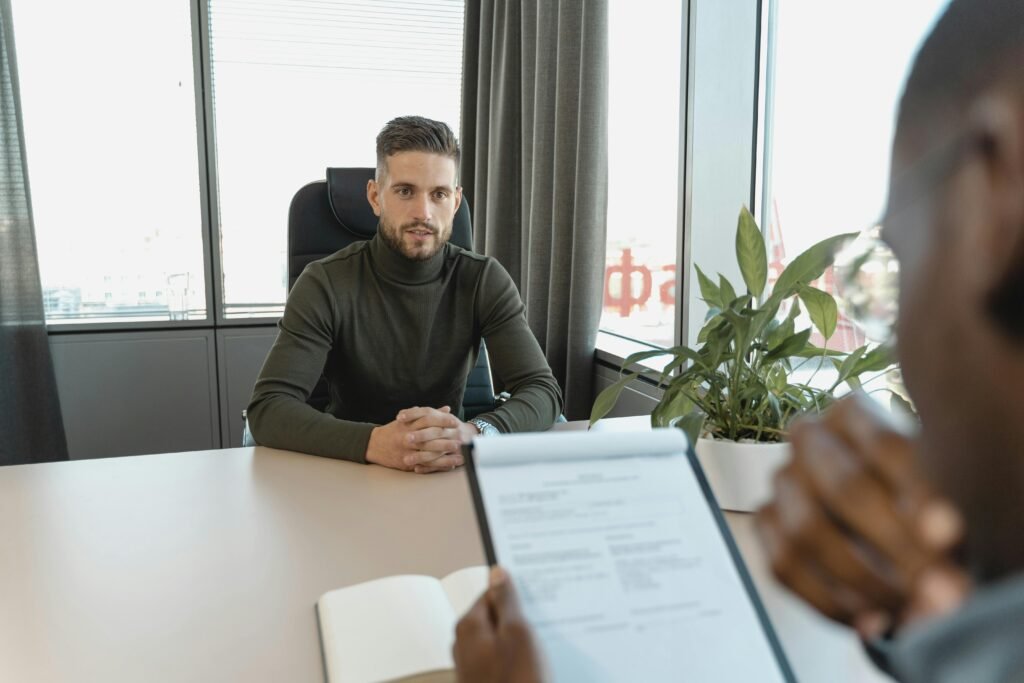
Job hunting can be stressful, but standing out from hundreds of other applicants doesn’t have to be impossible. Whether you’re applying for your first job internship, a part-time job, or a full-time job role, how you prepare, communicate, and follow up can make a lasting impression on potential employers.
Here are 49 practical ways to stand out while job hunting — from your first job application to your final job interview thank-you note. These job tips will help you build confidence, showcase your strengths, and land the job opportunity you deserve
Application Stage
The first impression starts long before the job interview — it starts with your application. Employers can often tell within seconds whether a candidate has put effort into their job submission.
Here’s how to stand out during the application process:
- Create an online portfolio using tools like Canva or Notion.
- Pursue industry-related certifications to show dedication to your field.
- Keep your LinkedIn profile updated with achievements and skills.
- Tailor each résumé and cover letter to the specific job.
- Address the hiring manager by name (avoid generic greetings).
- Include links to your portfolio or LinkedIn on your résumé.
- Keep your résumé clean, simple, and under two pages.
- Send your résumé as a PDF to maintain formatting.
- Use clear, professional fonts (e.g., Arial, Calibri, or Helvetica).
- Add a line such as “References available upon request.”
- Include measurable achievements rather than vague duties.
- Proofread everything to avoid typos.
- Match your skills section to the job description keywords.
- Add a short personal statement that aligns with the company’s values.
- Save your files with professional names like “JohnDoe_CV.pdf.”
A well-prepared, customized application shows attention to detail — a quality every employer values.
Phone Interview Stage
The phone interview is often your first real impression with an employer. Voice, tone, and professionalism make all the difference.
- Choose a quiet spot for your call — no distractions.
- Keep your résumé and notes in front of you.
- Answer professionally: “Hello, this is [Your Name].”
- Update your voicemail to sound polite and clear.
- Smile when speaking — it makes your voice warmer.
- Use an upbeat, confident tone.
- Pause briefly before answering to show thoughtfulness.
- Have water nearby to stay calm and clear.
- End the call by thanking the interviewer for their time.
- Send a short, polite follow-up email after the call.
- Reaffirm your enthusiasm for the role.
- Use a professional email signature with contact details and your LinkedIn link.
- Keep follow-up messages short — two or three sentences max.
- Double-check spelling and grammar before hitting “send.”
- Track dates and contacts for every interview in a spreadsheet.
These details may seem small, but they build a strong impression of professionalism and reliability.
In-Person Interview Stage
The in-person interview is your chance to prove you’re the right fit. Preparation, confidence, and composure are key.
- Bring printed copies of your résumé and cover letter.
- Dress appropriately for the company’s culture (research first).
- Arrive at least 10 minutes early.
- Be polite to everyone you meet, including receptionists.
- Silence your phone before entering.
- Greet the interviewer confidently and smile.
- Offer a firm handshake (if culturally appropriate).
- Mention a recent company project or achievement.
- Maintain eye contact to show engagement.
- Sit up straight with open body language.
- Listen carefully before responding.
- Relate your answers to the job description.
- Highlight achievements, not just responsibilities.
- Ask thoughtful questions about growth and culture.
- Keep your answers concise and relevant.
- Thank the interviewer sincerely before leaving.
- End with a polite closing like, “It was great meeting you.”
The interview isn’t just about testing your skills — it’s about proving your fit and mindset.
After the Interview
Your follow-up is the final chance to make a lasting impression.
- Send a thank-you email within 24 hours of your interview.
- Mention a specific topic or insight from your conversation.
- Reiterate your excitement for the opportunity.
- Keep your message concise and positive.
- If possible, send a handwritten note for a personal touch.
Even this small gesture can set you apart from equally qualified candidates.
Final Thoughts
Job hunting isn’t just about having the right qualifications — it’s about presentation, consistency, and connection. Each stage offers a chance to show that you’re motivated, thoughtful, and ready to contribute.
Apply these 49 strategies with confidence, and you’ll be the candidate that employers remember long after interviews end.
FAQs on Job Hunting
Q1. How long should my résumé be?
Keep it one page if you’re early in your career. Focus on achievements, not duties.
Q2. Should I apply if I don’t meet all requirements?
Yes — employers often value passion and adaptability over perfection.
Q3. How soon should I follow up after an interview?
Send a thank-you note within 24 hours. If you haven’t heard back after a week, send a short, polite follow-up.
Q4. What’s the biggest mistake people make during job hunting?
Using the same résumé for every job. Tailoring each application improves your chances dramatically.
Q5. How can I stand out before applying?
Take short online courses to strengthen your skills — try LinkedIn Learning, Coursera, or edX.
Check out:The Best Part-Time Jobs for University Students in the UK